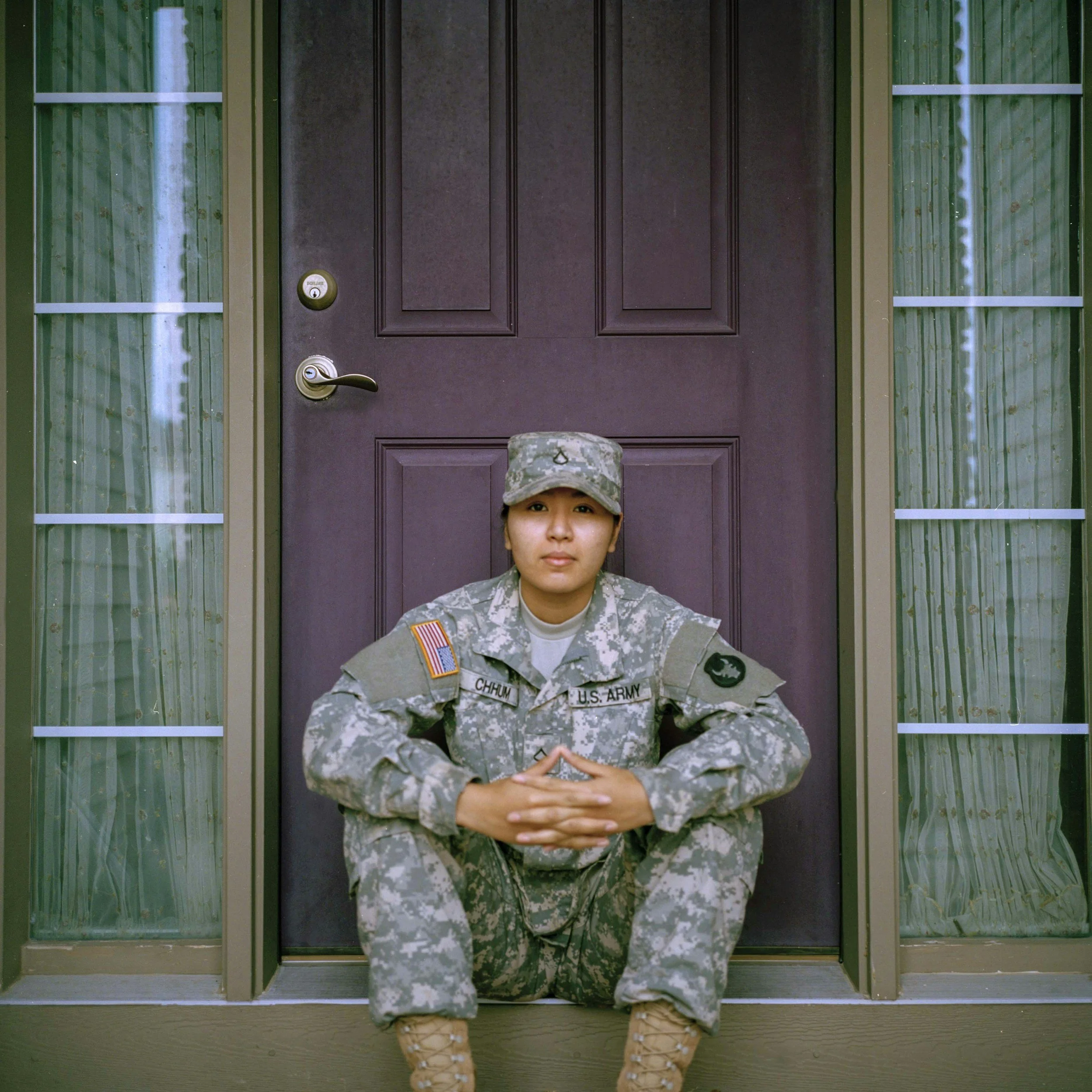
Specialized retreat program
For veterans & first responders
You were trained to handle things others can't. You carried what others couldn't carry. And somewhere along the way, the weight of that — the things you saw, did, or couldn't prevent — may have followed you home in ways that are hard to explain to people who weren't there. This program was built for you, by someone who has been exactly where you are.
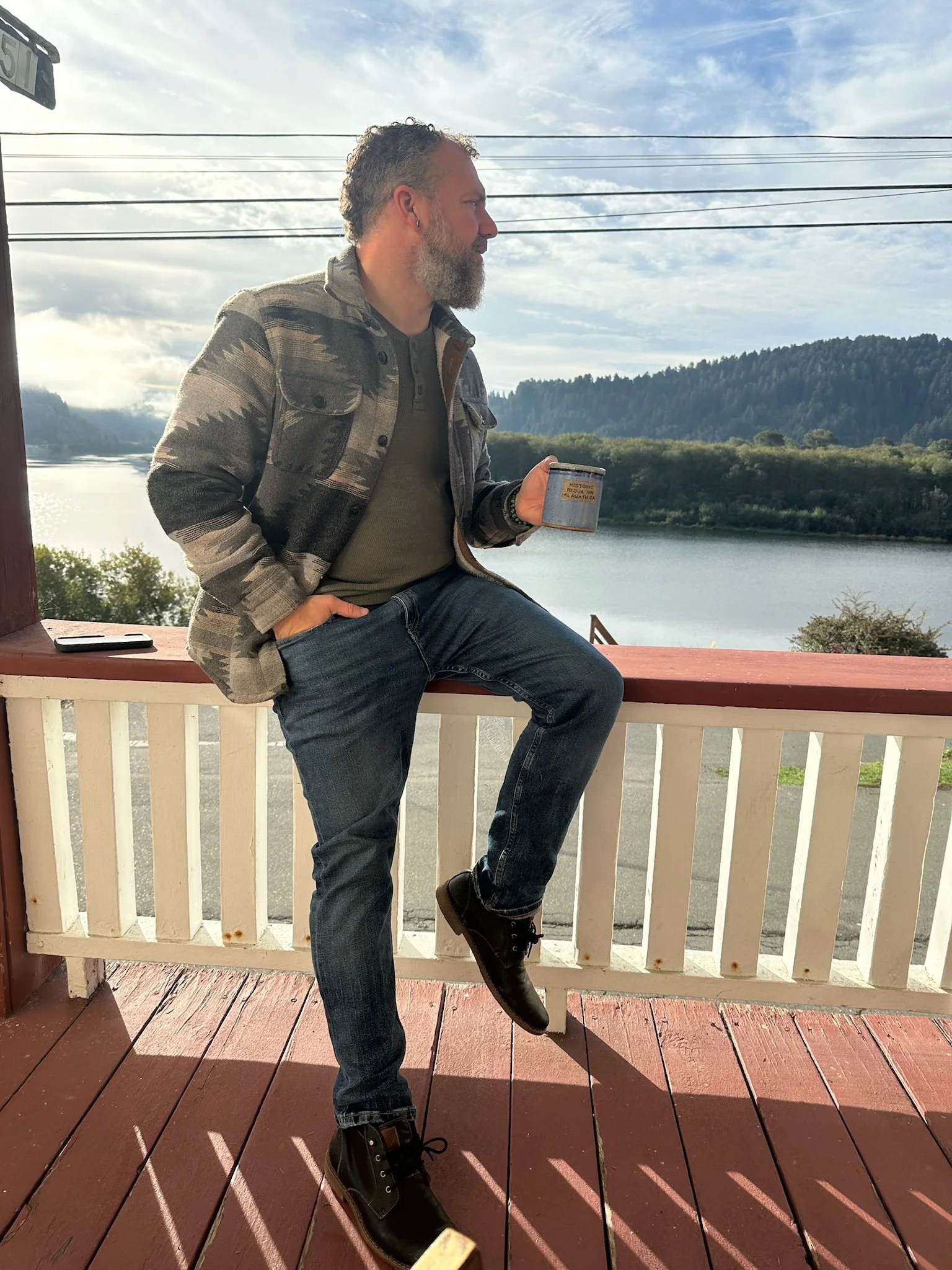
Why this program exists
After returning from combat — including a tour in Afghanistan and a deployment with a special forces team in Central Africa — I found myself in a place that many veterans and first responders know well. The medications helped manage the surface. The talk therapy moved slowly. The underlying wounds felt untouchable by conventional means.
Psilocybin changed that for me. It allowed me to access and process experiences that years of treatment had not been able to reach. That healing is what led me to become a licensed facilitator, a licensed professional counselor, and ultimately one of the most experienced psilocybin practitioners in the country — with over 1,300 journeys facilitated and a role training more than 1,200 mental health professionals in this work.
This retreat program exists because veterans and first responders deserve specialized, peer-informed support — not a generic wellness experience, but something built around the specific texture of service-related trauma, moral injury, hypervigilance, and the particular challenges of asking for help when you've spent years being the one others rely on.
What the research shows
Psilocybin is not a cure. But the research emerging from institutions like Johns Hopkins, NYU, and Imperial College London is striking — particularly for conditions common among veterans and first responders.
❋ PTSD & trauma:Clinical trials have shown significant reductions in trauma symptoms, including in populations that had not responded to conventional treatments.
❋ Depression & anxiety:Multiple controlled studies have found psilocybin produces rapid, meaningful reductions in depression and anxiety — often after a single session — with effects lasting months.
❋ Neuroplasticity: Psilocybin appears to increase the brain's capacity to form new connections and break out of entrenched patterns of thought — which may be why it can reach places that conventional approaches alone cannot.
❋ Moral injury & existential distress: Psilocybin experiences frequently catalyze shifts in meaning-making, self-compassion, and the ability to process grief and guilt — the core terrain of moral injury.
"My wife told me that it was the first time since before the Army that she recognized the man she had married."
— Drew Snyder, LPC · Army veteran, combat tour Afghanistan

The retreat format
Five days. Two journeys. One continuous arc.
What makes this retreat distinctive is its structure: rather than a single psilocybin session, participants move through two separate administration days, with intentional integration woven between each. This allows insights from the first journey to be processed, grounded, and then deepened in the second.
Orientation to the space, the group, and the process. Preparation sessions cover intentions, personal history, and what to expect. Time to settle in, connect with fellow participants, and build the trust and safety that makes the work possible.
Day 1:
Arrival & preparation
The first psilocybin experience, facilitated by licensed practitioners in a carefully prepared environment. Each participant is supported individually within the group container. The evening is held gently, with space for rest and quiet reflection.
Day 2:
First administration day
Structured and unstructured time to process what arose in the first journey. Group sharing, guided reflection, and meaning-making exercises help participants arrive at the second journey with greater clarity and intention.
Day 3:
First integration day
A second psilocybin experience, often described by participants as going deeper than the first — informed by what was uncovered, processed, and set as intention the day before.
Day 4:
Second administration day
The closing day is devoted to integration, community, and preparing to return home. Participants leave with a personal integration plan and ongoing support options.
Day 5
Final integration & closing
Follow-up integration sessions are available and strongly encouraged in the weeks after the retreat, when the work of embedding new insight into daily life truly begins.
Going forward
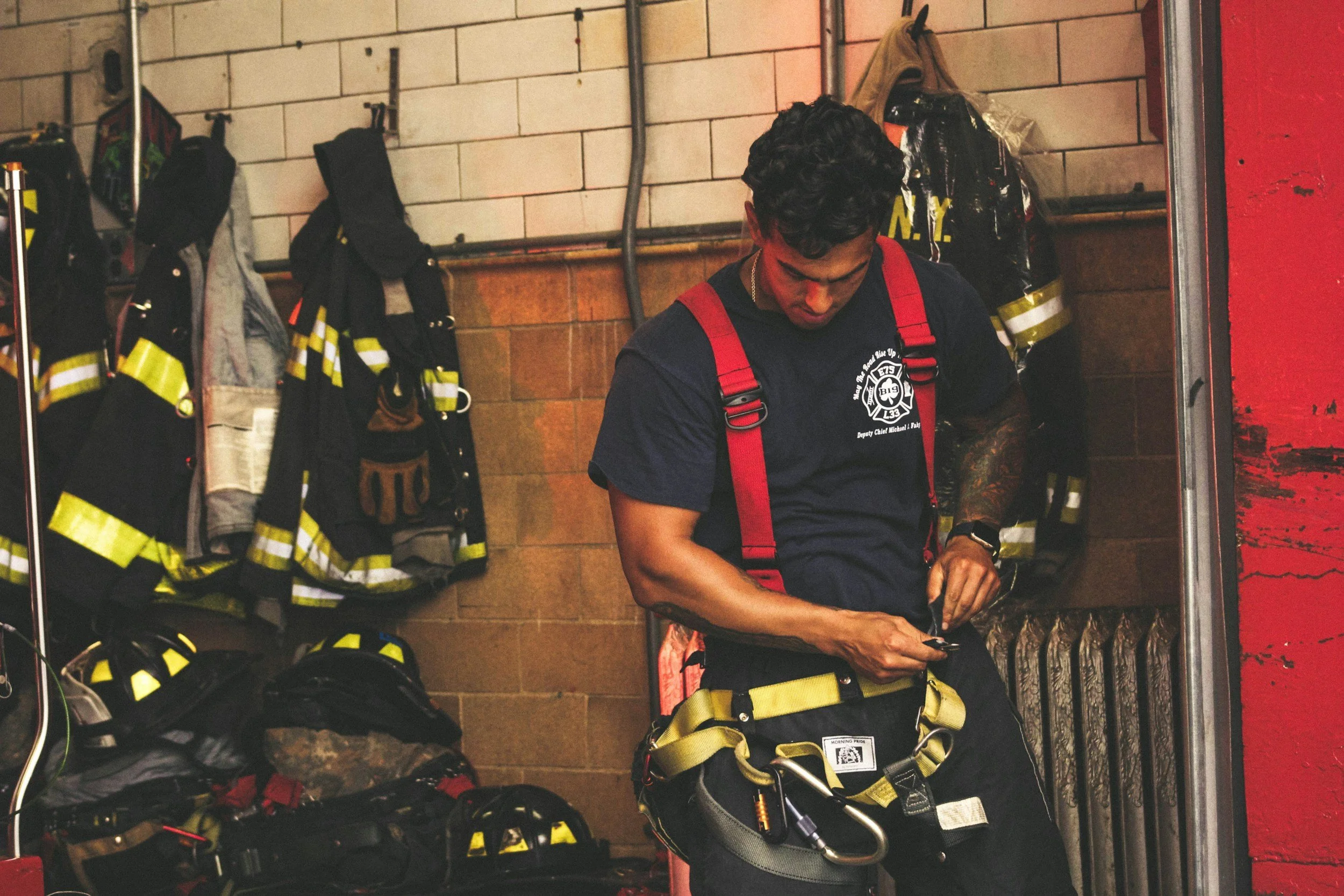
Who this is for
This retreat is designed for veterans, active-duty service members, firefighters, law enforcement, paramedics, EMTs, and others whose professional lives have involved sustained exposure to trauma, loss, or moral complexity. You don't need a formal diagnosis to participate — but you do need to be in a place where you're ready to do some genuine inner work.
Struggling with depression, anxiety, emotional numbness, or disconnection from yourself & others
Living with PTSD or symptoms you haven't been able to fully address through conventional treatment
Ready to be part of a community of people who understand, without needing to explain everything
Carrying moral injury — guilt, grief, or a sense of having violated your own values in service
Feeling like conventional approaches haven't reached the places that most need healing
A thorough screening process ensures that psilocybin is appropriate for you at this time. Safety is the first priority — always.
Interest List & Consultation
The veteran & first responder retreat program is launching soon. If you'd like to be among the first to know about dates, pricing, and availability — or simply want to talk through whether this might be right for you — reach out for a free consultation. There's no pressure and no obligation. Just a conversation.
Get in touch to learn more or join the interest list.